

Keqiao Navigator Program Decoding New Growth Logic for the Textile Industry
Sep 20,2026 | by Zhong Mengxia
This summer, a navigation trail spanning China's east coast stood out on Keqiao's textile development path.
Sixty textile entrepreneurs from Keqiao visited six industry benchmark companies—Tayho Advanced Materials, Nanshan Zhishang, Youngor, Beyond, Xiangxing, and Anta—for a systematic training program aimed at capability upgrading and value reshaping. Organized by the China Textile City Construction Management Committee of Keqiao District, Shaoxing, the "Keqiao Navigator Program"—2026 Advanced Training Program for Next-Generation Elite Entrepreneurs of the Textile City—brought together 16 experts from industry associations, universities, and renowned enterprises. The program charted a navigation map for next-generation entrepreneurs at the dual crossroads of generational transition and industrial transformation, helping them evolve from "successors" to "leaders."
Seeking the code for sustainable industry in the green agenda
As global environmental regulations tighten and consumer demand for sustainable products grows, Tayho Advanced Materials has built a closed-loop model in chemical fibers based on "product-energy-certification." Jiang Ming, General Manager of the Group's Strategy and Marketing Department, proposed integrating product R&D, energy utilization, and standard certification into a complete system, using circular technology iteration and production efficiency improvements to strengthen the foundation for long-term development.
In natural fibers, another path was explored. Wang Enqing, R&D Director of Nanshan Zhishang Company, noted that the company promotes the RWS responsible wool standard at the raw material stage, builds a blockchain traceability system, develops eco-processing technologies in production, and works with brands to build a green supply chain, step by step turning the environmental value of materials into product competitiveness.
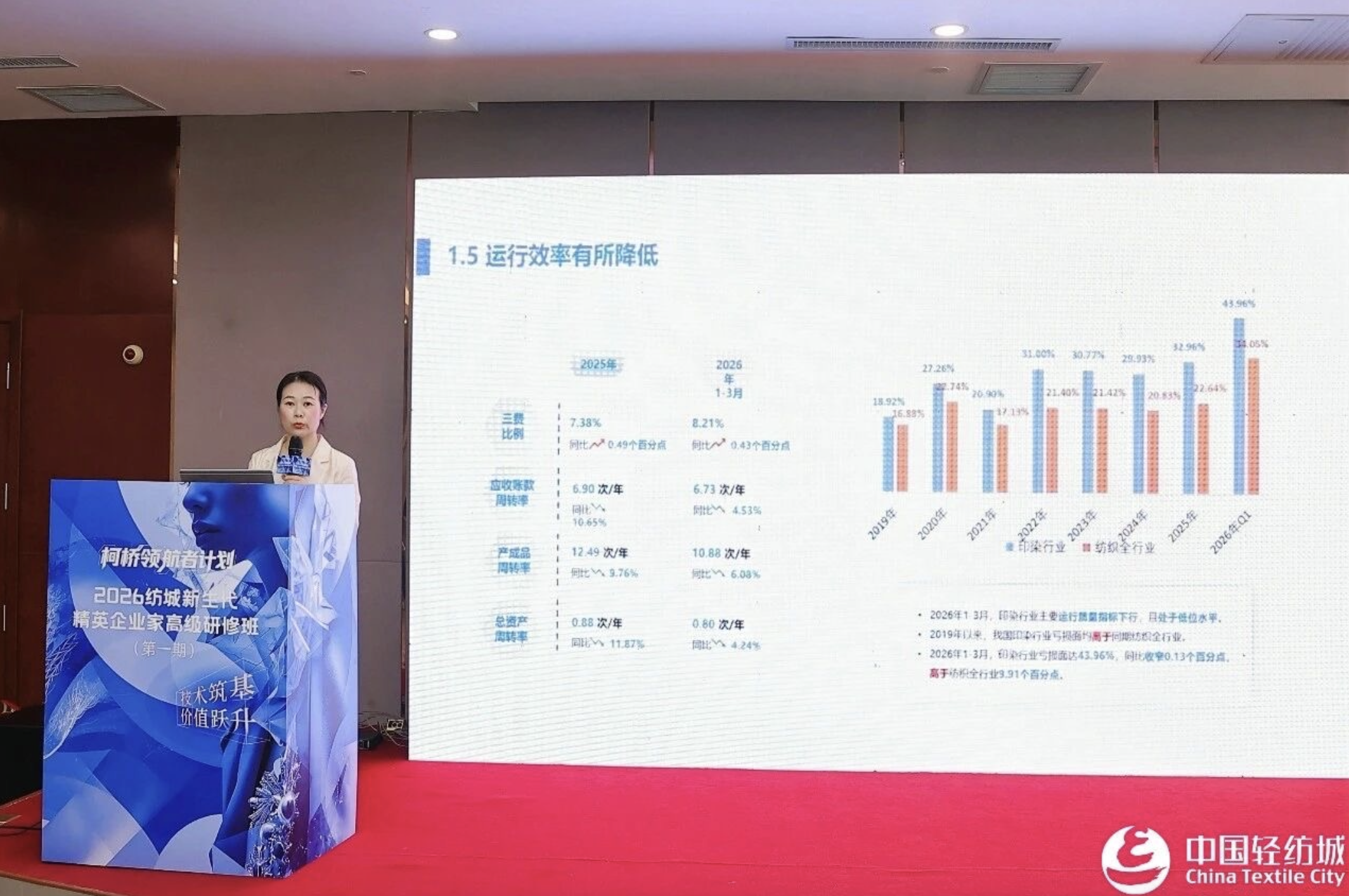
Dong Shuxiu, Vice President of the China Dyeing and Printing Association, said: “During the 14th Five-Year Plan period, the printing and dyeing industry made continuous efforts in four major directions, including technological innovation and green low-carbon development. 94 companies were recognized as national-level green factories, and 67 achievements won industry science and technology awards.”
Building differentiated competitive advantages through product innovation
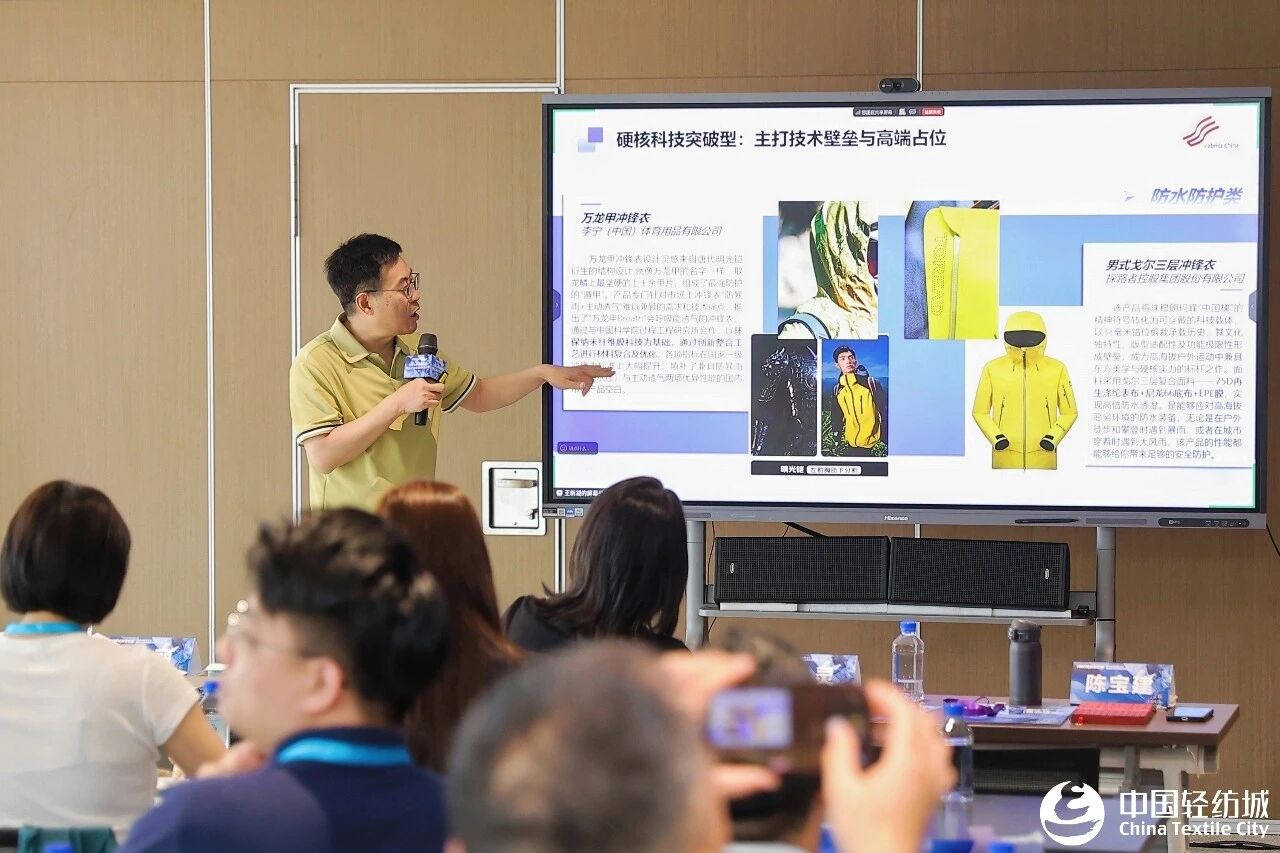
Functional fabrics have moved beyond niche outdoor applications into everyday scenarios such as commuting and home life. Chen Baojian, Deputy Director of the Textile Product Development Center, reminded industry practitioners that material innovation must ultimately address real consumer experiences.
Competition in synthetic fibers is particularly intense. Sun Baoqian, Sales Director of Nanshan Zhishang Nylon New Materials Company, observed that differentiated, functional, and low-carbon nylon filament development has opened new space for differentiated competition.
How can transfer market demands into precise product language?
“Using a four-dimensional classification method, vague sensory descriptions such as ‘soft hand feel’ can be converted into actionable quantitative parameters. Then, through co-creation with downstream brands, a complete closed loop from technology to business is formed,” said Du Guohai, Director of the Commercial Planning Department of Xiangxing (China) Group Co., Ltd.
Seeking upward momentum in the digital-intelligence wave
Digital transformation has become a buzzword, but many companies remain at the surface level of purchasing equipment and launching systems. How to make digitalization the core driver of enterprise operations is a question next-generation entrepreneurs must think through.
Zhao Xiaokang, a professor at Donghua University, said the answer is to break free from the inertia of “opportunity-driven” thinking and use new tools to reshape the competitive landscape from a higher starting point.
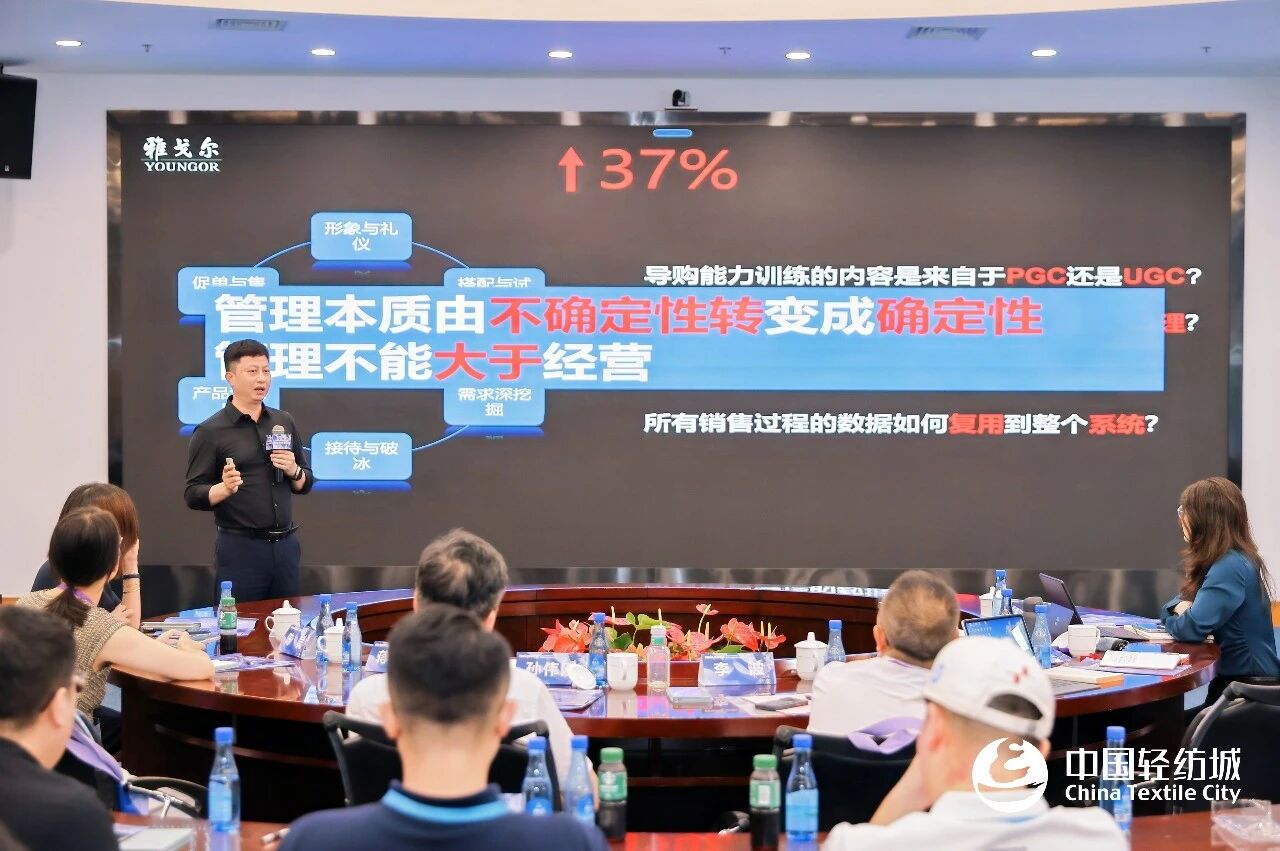
Wang Xin, Chief Information Officer of Youngor Fashion Holdings, presented AI-driven full-chain digital practices covering R&D, production, sales, and management. The company explored a human-machine collaboration model of “one person as a department,” allowing digital-intelligence value to permeate every nerve ending of operations.
Li Haiya, Deputy General Manager of the online brand under Beyond Clothing Group, observed that emotional value, community identity, and scenario fit have become core consumer drivers, upgrading industry competition to a comprehensive contest of lifestyle ecosystems.
Locating Chinese enterprises' position in global coordinates
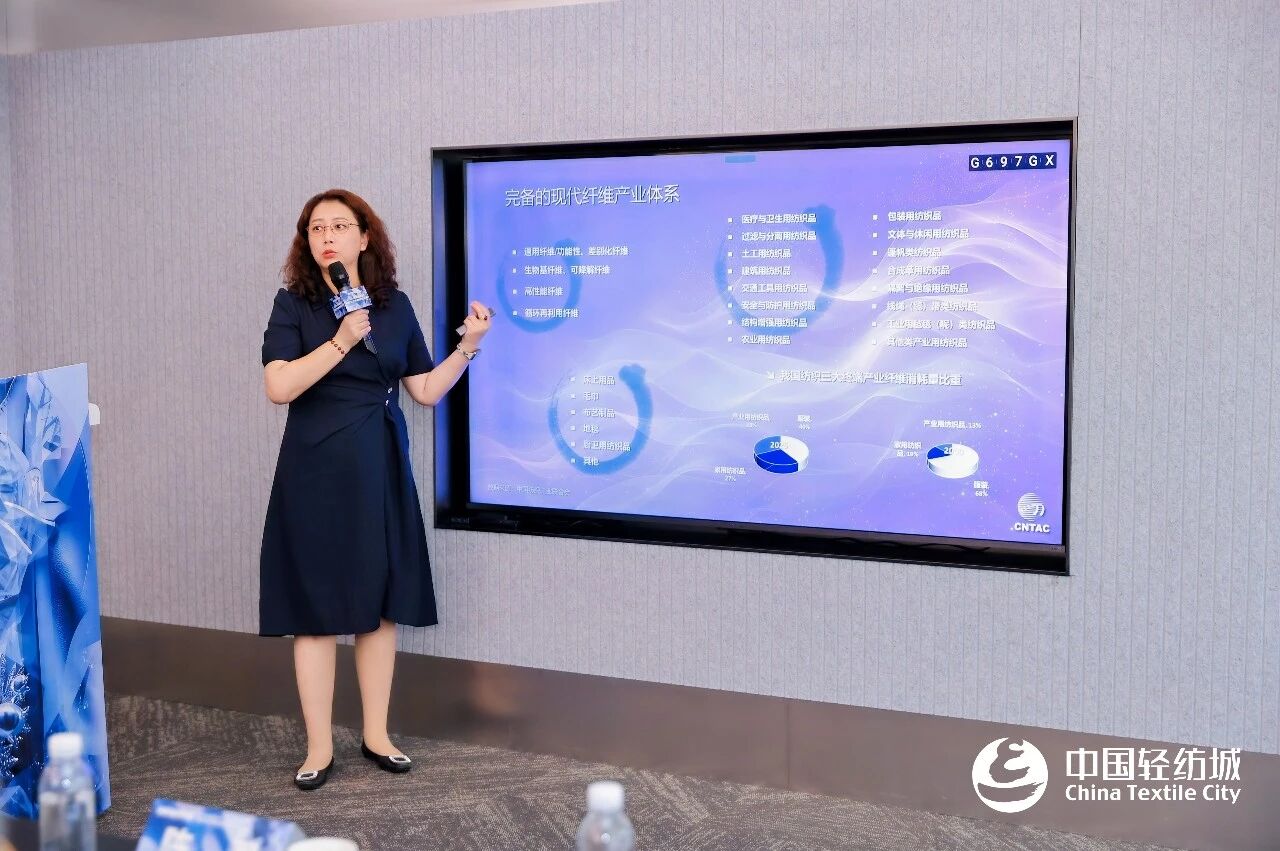
Zhao Mingxia, Director of the Industry Department of the China National Textile and Apparel Council, said China has the world's most complete textile supply chain and ranks first in production and trade scale. Companies pursuing international expansion should balance domestic and overseas development, steadily and orderly invest overseas, and firmly retain control over key links in the supply chain.
Youngor Group, which has ranked first nationwide in men's shirts and suits market share for over 20 years, is an ideal sample for this upgrade. Jiang Yuxin, Director of Youngor's Brand Business Department, pointed out that the menswear market is undergoing profound changes, business scenarios are shrinking, and sports and casual wear are diverting customers. Youngor's response: anchor the product end to its core administrative business positioning; build a three-tier store system on the channel end; and empower the entire R&D process with AI on the design end.
Decoding the “ultimate language” of fabrics in brand demand
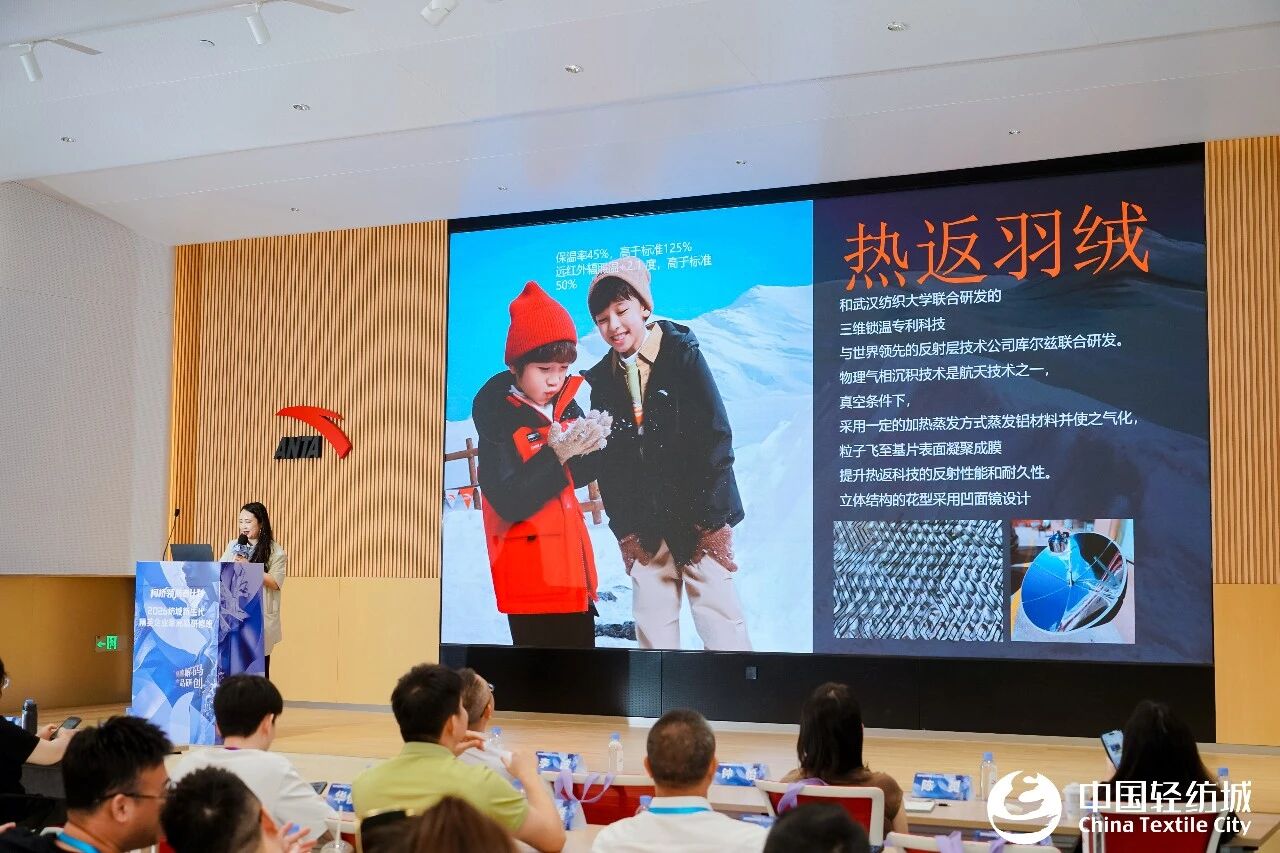
Zhong Yi, Merchandising Director of Anta Kids Online Apparel & Accessories, noted that children's sports consumption is moving toward scenario segmentation, protection priority, natural environmental friendliness, and aesthetic upgrading. Parents are increasingly demanding fabric safety, visual uniqueness, and brand storytelling. Suppliers that can provide systematic solutions are more likely to become deeply bound partners of brands.
“A brand’s values and narrative are the source of long-term competitiveness,” said Jia Xizeng, a professor at the Academy of Arts & Design, Tsinghua University. He proposed a “theme-driven” methodology. In his view, AI can serve as an efficiency tool, but aesthetic judgment and cultural value expression remain the core barriers of a brand.
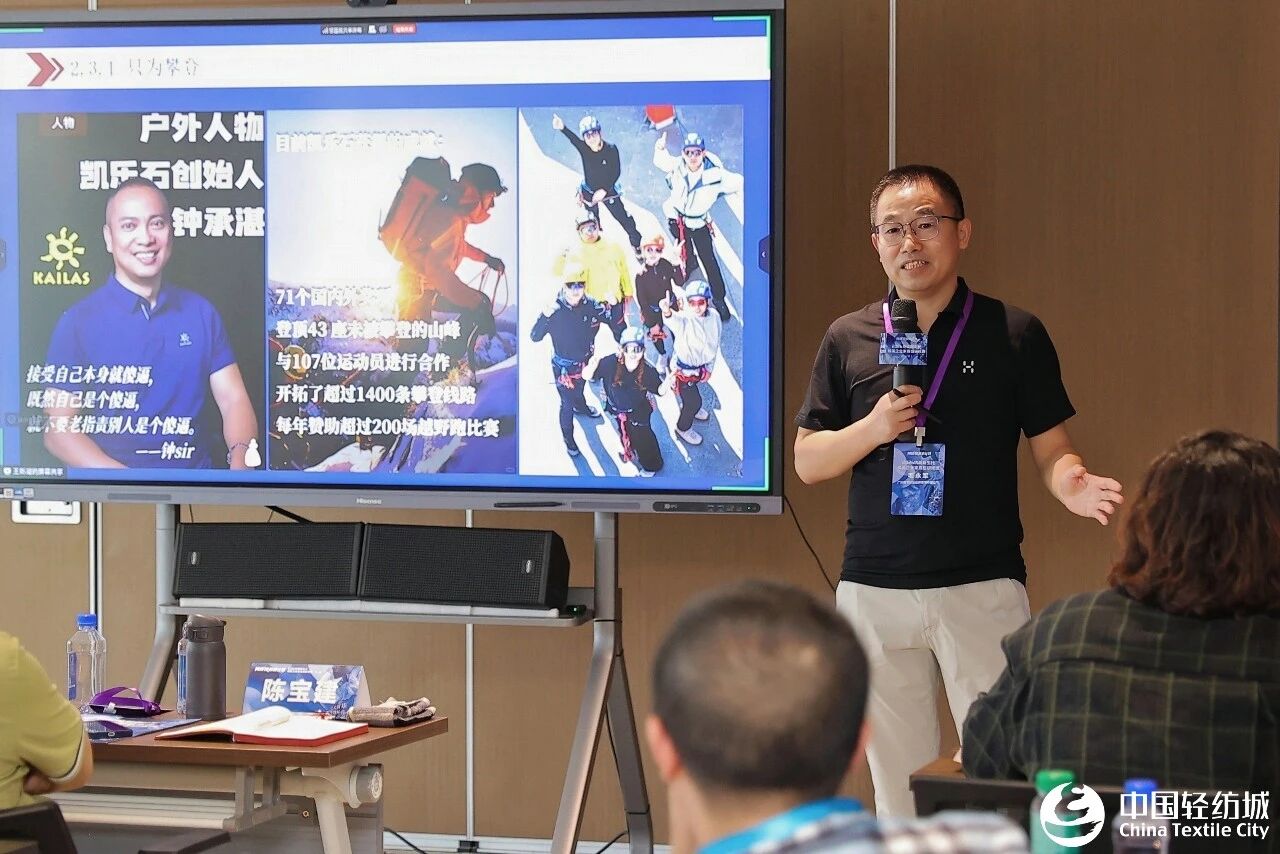
Mao Yongjun, founder of Lushu, head of the Tangemao, and former Vice President of Anta Group, proposed that the supply chain must shift from traditional procurement thinking to brand thinking, building a brand-oriented supply chain. Even in niche segments, clear brand premiums must be created.
Guo Dong, a brand strategy business planning and marketing expert, pointed out the change in industry competition logic: in the past, competition was about capacity, price, and delivery time; now it is about value creation capability. Fabric suppliers must transform from “suppliers being purchased” to “value partners being needed,” deeply participating in customers’ merchandise planning, this is the fundamental path out of low-price involution.
The mission of next-generation entrepreneurs is not just inheritance, but redefining the future of a yarn, a fabric, and an enterprise with new vision, new tools, and new language. This journey concerning the industry's future has just begun.
Feb 10,2026